


There is something quietly thrilling about a home that has been assembled rather than bought all at once. A wobbly chair from a charity shop, a sideboard rescued from a house clearance, a lampshade that catches the light like a splash of milk and fire — put them together and you get a room that feels lived in, layered and unmistakably yours. The trick is knowing how to let vintage weight and modern opal shimmer share the same space without squabbling.
Why Opal and Vintage Are Natural Companions
Opal is a wonderfully democratic stone. Its colours run from milky white through soft blue, mint and dusty pink, with sudden flashes of orange and green when the light moves. Those tones echo almost everything vintage does well: the patina of old oak, the softness of aged brass, the faded warmth of linen that has been washed a hundred times.
Vintage furniture brings grain, weight and history. Opal-inspired decor brings cool, iridescent light. The pairing works because each one covers the other's weakness — a dark chest of drawers can feel heavy on its own, but set an opal glass vase beside it and the whole corner lifts.
Think of the rule as one grounded piece, one glowing piece. Repeat that rhythm around the room and you will rarely go wrong.
Build a Palette from the Stone Itself
Before you buy a single thing, find an opal — a ring, a photograph, a piece of glass you already own — and pick out four colours from it. You will almost always find the same family:
- Milky white and cream — the base note. Echo it in painted furniture, ceramic lamp bases, candles and plain walls.
- Soft blues and seafoam greens — cushions, glassware, a small tray on the hall table.
- Dusky pink or lilac — a throw, a lampshade, a few dried stems in a jug.
- One fiery accent — amber, orange or emerald. Keep this to one or two pieces only, or the scheme tips into chaos.
Four colours is plenty. Anything more and the vintage pieces start to look like clutter rather than character.
Let Vintage Do the Grounding Work
Vintage furniture earns its keep by holding the room down. The pieces worth hunting for are the ones with honest wear and a bit of bulk:
- A dark wood sideboard or chest to anchor a wall — the darker and grainier the better.
- A spindle-back or Windsor-style chair for texture against smoother modern surfaces.
- Aged brass, copper or pewter in small doses — a candlestick, a door handle, a picture frame.
Resist the urge to strip and repaint everything. A wipe-down and a coat of clear beeswax balm will feed dry timber and deepen the colour without erasing the story. If a piece is truly beyond saving, a chalky off-white paint is a safe choice — but leave at least one strong wood tone in every room to keep the opal palette from floating away.
Where Modern Opal Pieces Work Hardest
Iridescence is at its best where light travels. Keep opal accents at eye level and near windows, lamps or mirrors rather than tucking them onto the floor.
- Opal glass knobs on a vintage chest of drawers — the single cheapest way to modernise an old piece, usually for a few pounds.
- Agate or opal coasters on a dark coffee table, breaking up a large expanse of wood.
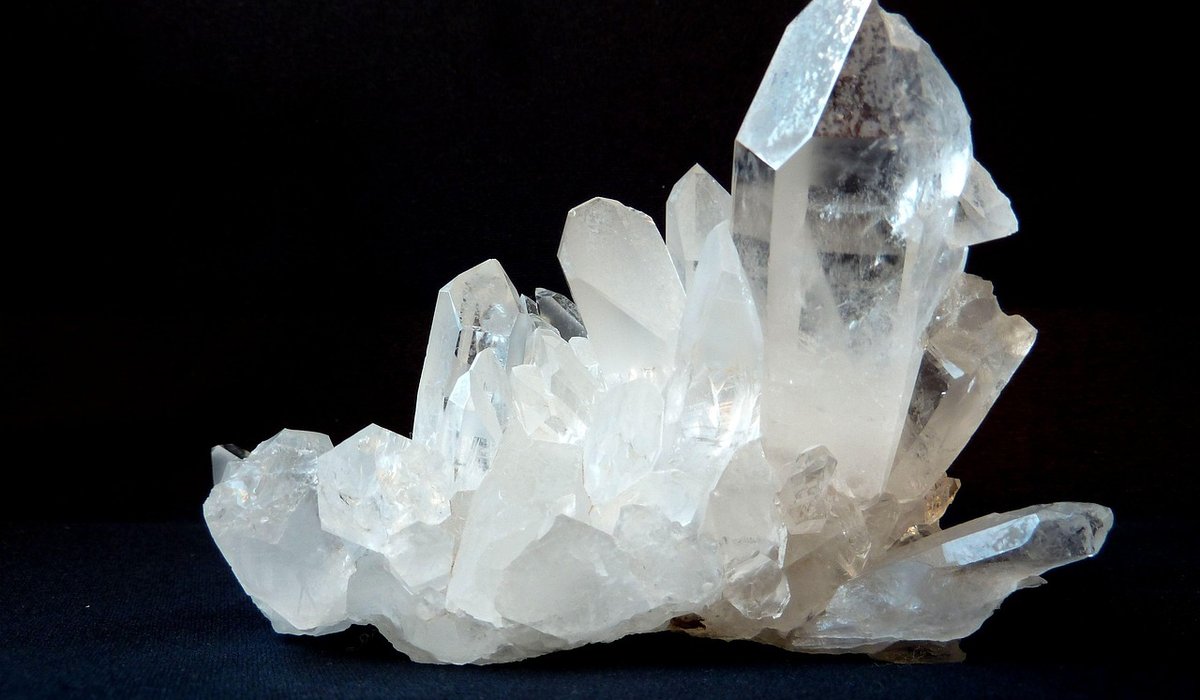
- One large gemstone cluster on an open shelf, styled with two books and a small plant rather than a crowd of objects.
- An opal-tinted glass vase or bowl on a windowsill, where morning light will do the work for you.
Apply the rule of three: no more than three iridescent moments in any single sightline. Opal is a quiet luxury, and it reads as far more expensive when it is not shouting.
Layer Texture, Not Just Colour
Colour alone will not make a room feel finished — texture is what gives it depth. Mix a vintage velvet armchair with a raw linen cushion, a rattan basket with a smooth stone tray, a glass lampshade with a chunky wool throw. The contrast between rough and polished is what makes both feel deliberate.
Lighting matters just as much. Choose warm bulbs — around 2700K — and avoid cold white ones, which turn opal tones grey and chalky. A warm bulb behind an opal shade gives that soft, glowing interior you see in old photographs, and it flatters worn wood better than anything else.
A Weekend Refresh: Five Small Swaps
You do not need to redecorate. Try these in a single afternoon:
- Swap the plain knobs on one vintage piece for opal glass ones.
- Move a charity-shop mirror so it reflects your brightest opal accent.
- Replace one modern cushion with a faded vintage linen cover in cream or pale blue.
- Add a small gemstone tray to the hallway table for keys and coins.
- Change the bulb in the lamp nearest your opal decor to a warm one.
The aim is never a showroom. It is a home that looks as though it has been collected slowly by someone with good instincts and a fondness for charity shops — which, if you follow these steps, it will have been.


Leave a reply